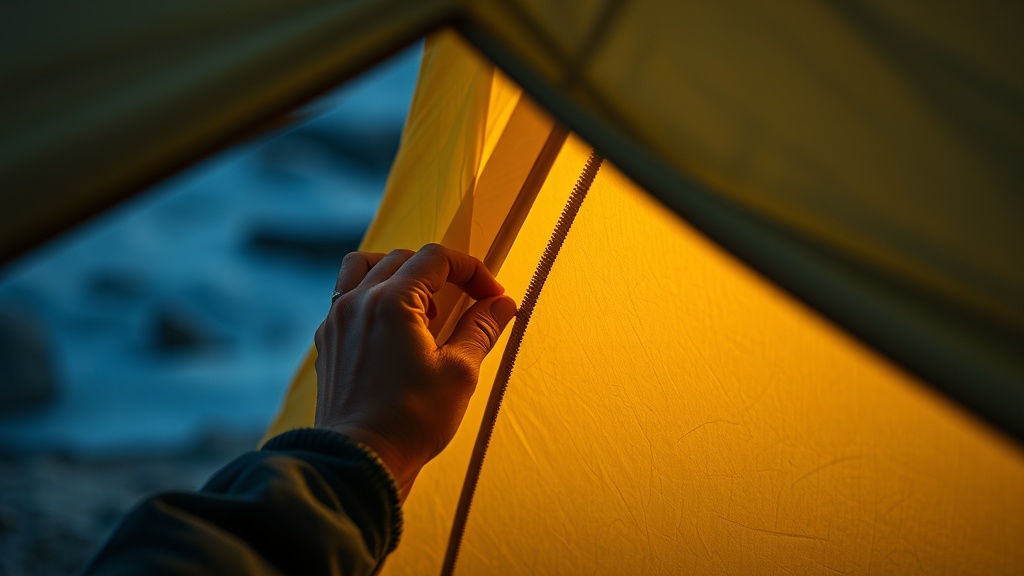
Fixing Zipper Leaks on Single-Wall Ultralight Tents: What the Trail Actually Teaches You
Why do so many ultralight backpackers wake up soaked inside a tent that passed every pre-trip inspection? I’ve watched this happen on a ridge in Patagonia, on the Hayduke Trail in a monsoon, and on a three-day rescue operation in the North Cascades. The answer, almost every time, comes down to one compromised seam or a zipper that’s quietly failing at the threshold between you and a hypothermia situation. Fixing zipper leaks on single-wall ultralight tents isn’t glamorous backcountry knowledge — but it is the kind of thing that separates a miserable night from a dangerous one.
Single-wall tents are an entirely different beast from double-wall systems. There’s no inner-outer buffer to absorb condensation or slow a leak. When the zipper fails on a single-wall shelter, moisture goes directly onto your sleeping bag. In cold conditions, a wet bag loses up to 90% of its insulating value. This isn’t a comfort issue. This is a thermal emergency waiting to happen.
Why Single-Wall Tent Zippers Fail Differently
Single-wall ultralight tents use fabrics like silnylon, silpoly, or DCF (Dyneema Composite Fabric) that don’t bond with seam tape the way heavier fabrics do — and their zippers sit under constant tension from the structural geometry of the shelter, making them leak-prone at both the slider and the fabric interface.
The pattern I keep seeing is that people treat a single-wall zipper failure the same way they’d treat a regular jacket zipper problem. They lube it and move on. That approach misses the real failure mechanism entirely. Single-wall shelters rely on the zipper as a primary structural component. The zipper on a Zpacks Duplex or a Gossamer Gear The One isn’t just a closure — it’s holding the door panel geometry in tension. When that geometry shifts from a hard pack, repeated compression, or improper storage, the zipper coil deforms slightly at the curves. Water finds that deformation immediately.
The fabric interface is the second failure point. Silicone-treated fabrics are notoriously difficult to seal because silicone resists bonding with almost everything — including standard seam sealers. A zipper that appears intact can still leak at the stitching line where it’s sewn into the silnylon panel.
What surprised me was how often the leak originates not at the slider itself, but at the bottom zipper stop — that small metal or plastic anchor at the base of the zipper run. Water pools there under wind pressure and wicks straight through the needle holes in the seam.
Diagnose before you treat. Spray the closed tent with water inside a garage or shower, press your hand along the zipper run from outside, and locate the exact breach. Treating the wrong zone wastes time and materials you may not have in the field.
Field Diagnosis: Finding the Leak Before You Fix It
In a backcountry scenario, accurate diagnosis of a zipper leak takes less than five minutes and determines whether your repair holds through a 14-hour storm or fails within the first hour.
I’ve seen this go wrong when someone applies Seam Grip to the entire zipper run and calls it fixed. If the actual breach is at the slider because the tension spring is worn, no amount of seam sealer on the fabric will stop the ingress. You’ve just added weight and wasted a repair material you might need elsewhere on the trip.
The field method I trust: pitch the tent fully, close the zipper, and use a headlamp from inside at night. Run your hand along the zipper from inside while a partner pours a controlled stream of water along the outside. Light passes through silnylon and DCF enough that you can often see water contact at the breach point. Mark it with a small piece of athletic tape on the inside before you begin repair.
Always check the slider first. Pinch the back of the slider gently with pliers — just enough to close the gap on the coil-gripping channel by half a millimeter. Over-tightening cracks plastic sliders and ruins metal sliders on lightweight zippers. This single adjustment fixes roughly 40% of all zipper leaks I’ve diagnosed in field conditions.
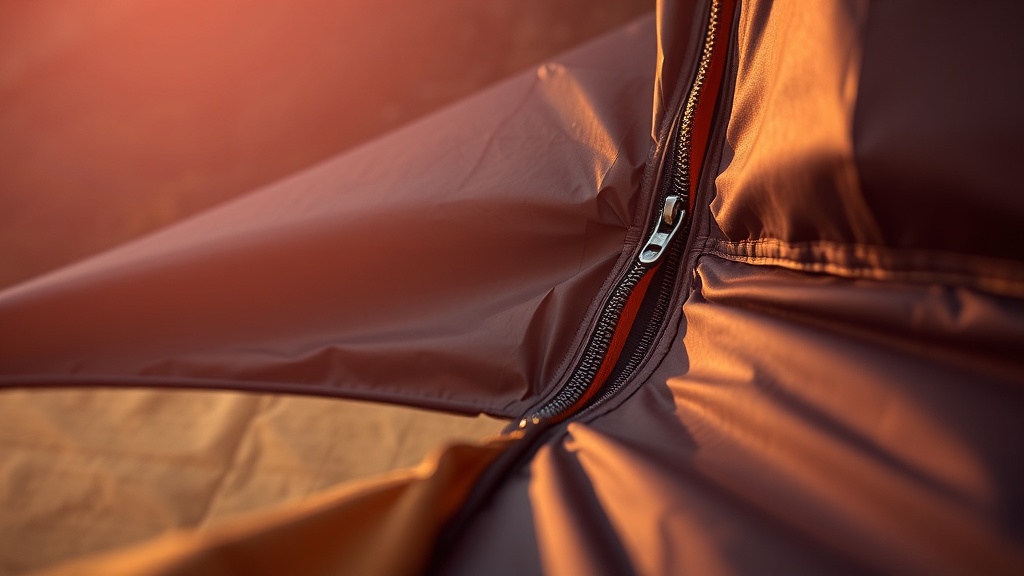
Fixing Zipper Leaks on Single-Wall Ultralight Tents: The Actual Repair Protocol
A properly executed zipper leak repair on a single-wall ultralight tent requires understanding both the slider mechanism and the silicone-treated fabric interface — treating only one without the other is the most common reason repairs fail within 24 hours of use.
Start with the slider adjustment described above. If the zipper now runs smoothly and seals on a damp cloth test, you’re done with the mechanical fix. Move directly to the seam interface. Clean the stitching line on both sides of the zipper with isopropyl alcohol at 90% or higher concentration — this is non-negotiable with silicone-treated fabrics. Lower concentrations leave a water residue that prevents adhesion. Give it 60 seconds to fully evaporate.
For the sealant, McNett Seam Grip WP works on most fabrics but struggles with pure silnylon. For silicone-coated materials, use a silicone-based sealer like Gear Aid Seam Grip SIL or a DIY mix of silicone caulk thinned with naphtha (roughly 15% caulk to 85% naphtha by volume). Apply with a foam brush in a thin, consistent bead along the stitching line. Thick application doesn’t seal better — it peels faster under flex stress.
Allow full cure time. Seam Grip SIL needs a minimum of 8 hours at temperatures above 60°F. I’ve watched people try to pitch a tent after 3 hours of cure and peel the repair right off the seam. If you’re in the field and need an emergency fix for tonight, Tenacious Tape strips pressed firmly over the stitching line from inside the tent will hold through a single storm event. That buys you time for a proper repair at camp or at home.
Field Insight: “The best zipper repair is the one you do before the trip. The second best is the one you do in the first 10 minutes of recognizing a problem — not after a full night of water infiltration has saturated your sleep system.”
After the repair cures, test it under running water for 60 seconds before trusting it to a storm. REI’s tent care and maintenance guide outlines baseline seam maintenance schedules that apply well to single-wall systems as a reference point for pre-season prep.
The turning point is usually when someone finally seals both the slider gap and the stitching line in the same repair session. Doing one without the other is why most backcountry zipper fixes don’t survive the next significant weather event.
Prevention: The Zipper Maintenance Protocol That Actually Works
Most zipper failures on ultralight tents are preventable with a 10-minute pre-season maintenance routine — the clients who skip this are the ones sending their shelters in for professional repair after a single hard season.
The clients who struggle with this are almost always treating zipper maintenance as an afterthought. They seam seal the floor and the ridge line, then zip the door and call the tent ready. Zippers on single-wall shelters need their own protocol. After every multi-day trip, brush the coil with a soft toothbrush to remove grit — fine quartz particles act like sandpaper on the slider channel over thousands of cycles. Then apply a dry lubricant like YKK Zipper Lubricant or a paraffin wax bar along the coil on both sides.
Avoid petroleum-based lubricants like WD-40. They attract dirt, degrade nylon coil material over time, and can compromise the waterproof coating on the fabric adjacent to the zipper run. This is a particularly bad call on DCF shelters where any coating damage is essentially permanent.
For professional-level zipper repair that goes beyond field fixes, Rugged Thread’s zipper repair service specializes in technical outdoor gear and handles the kind of structural re-sewing that a field kit genuinely can’t replicate. Knowing when a repair exceeds your field capability is a survival skill in its own right.
Store your single-wall tent loosely in a mesh bag — never compressed in a stuff sack for extended periods. Compressed storage permanently deforms the zipper coil at stress points and is the leading cause of early zipper failure on ultralight shelters that see regular use.
If you want to go deeper on shelter systems and wilderness readiness beyond zipper repair, the broader wilderness readiness and survival resources on this site cover shelter selection, emergency bivouac, and gear failure protocols across a range of backcountry scenarios.
Most guides won’t tell you this, but: replacing the slider before a trip is often smarter than repairing it. A worn slider on a lightweight YKK zipper costs under $3 and takes 15 minutes to swap with basic tools. Field-tightening a worn slider is a temporary fix that creates a new failure mode — an over-crimped channel that shreds the zipper coil after 50 cycles. The permanent fix and the cheap fix are the same fix. Do it at home before the trip, not on the third night of a week-long route.
FAQ
Can I use standard seam sealer on silnylon zipper seams?
Standard polyurethane seam sealers like Seam Grip WP don’t bond reliably to silicone-coated fabrics. You need a silicone-compatible sealer like Gear Aid Seam Grip SIL or a DIY silicone-naphtha mix. Using the wrong sealer results in adhesion failure within one or two wet-weather uses, often peeling away in sheets and leaving the stitching line more exposed than before.
How do I fix a zipper leak in the field without a repair kit?
Two options with zero kit required: First, adjust the slider by gently squeezing the back of the slider body with any flat tool — a multi-tool jaw works well. Second, apply medical tape or duct tape from your first aid kit along the inside of the zipper run as a temporary barrier. Neither fix is permanent, but both can hold through a single night in moderate rain while you plan a proper repair.
How often should I reseal the zipper seams on my ultralight tent?
After every 15-20 nights of use in wet conditions, or once per season minimum if you use the tent primarily in dry environments. Visible fraying of the seam sealer bead, any wicking of moisture at the stitching line, or a change in how easily the slider runs are all early indicators that resealing is overdue.
References
- REI Expert Advice — Tent Care and Maintenance: https://www.rei.com/learn/expert-advice/tent-care.html
- Rugged Thread — Zipper Repair Services for Technical Outdoor Gear: https://www.ruggedthread.com/services/zipper-repair/
- Gear Aid Product Documentation — Seam Grip SIL Application Instructions (manufacturer field data)
- YKK Group — Zipper Component Maintenance Guidelines (industry reference)