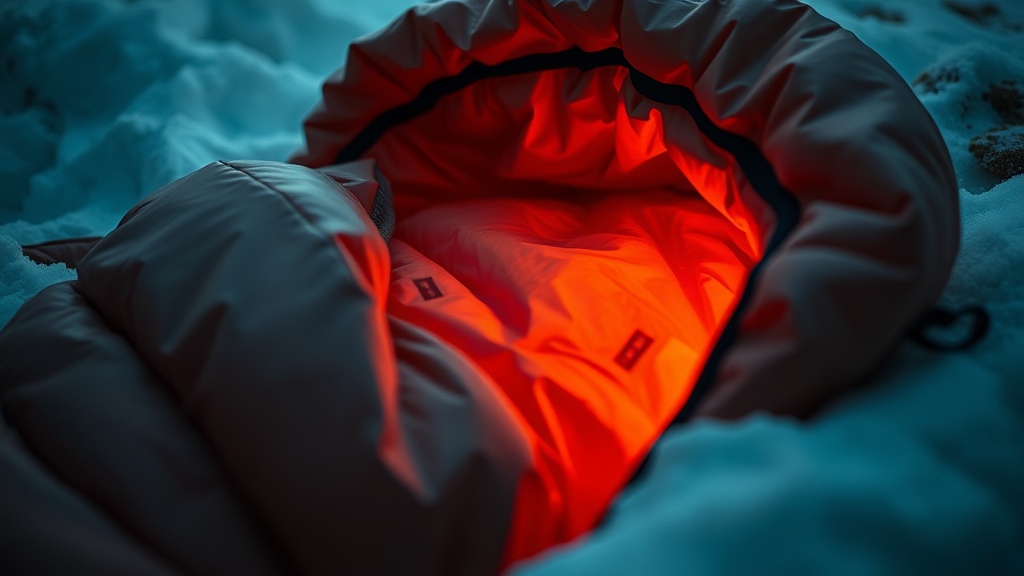
Executive Summary
- Down insulation collapses and loses thermal efficiency when moisture causes its clusters to clump together.
- A synthetic overbag acts as a sacrificial layer, relocating the dew point outside the down bag and keeping it dry.
- Synthetic materials like Climashield Apex retain structural loft and warmth even when damp, making them ideal for moisture-prone environments.
- A properly sized, wide-cut synthetic overbag can boost a sleep system’s effective temperature rating by 10–20°F.
- This layering strategy protects expensive down gear against condensation, tent wall moisture, and abrasion.
Implementing effective synthetic overbag hacks—strategic layering techniques that use synthetic insulation as an outer shell over a primary down sleeping bag—is a critical skill for any wilderness professional operating in sub-zero or high-humidity environments. As a Wilderness First Responder (WFR), I have witnessed firsthand how moisture mismanagement can transform a manageable cold-weather bivouac into a life-threatening hypothermia emergency. By layering your sleep system with precision and intention, you ensure that your primary insulation remains dry, lofted, and fully functional throughout the night.
Why Down Insulation Fails in Wet Conditions
Down insulation loses its heat-trapping ability the moment its clusters become damp, because moisture causes them to collapse inward and eliminate the air pockets that create warmth. Understanding this single physics principle is the foundational reason every serious cold-weather traveler should integrate synthetic overbag techniques into their sleep system.
The thermal performance of a down sleeping bag is built entirely on the principle of loft—the ability of down clusters to trap dead air space and insulate the sleeper from ambient cold. According to research on insulation physics, this loft is catastrophically compromised when moisture infiltrates the fill. Down feathers, as documented by Wikipedia, are extraordinarily efficient insulators in dry conditions but among the worst performers when wet, because their delicate three-dimensional structure collapses under the weight of even minimal water absorption.
In a typical cold-weather scenario, your body continuously releases moisture vapor during sleep. As this warm, humid air migrates outward through your sleeping bag layers, it eventually reaches a zone cold enough to cause condensation. This zone is known as the dew point—the precise temperature at which water vapor converts back into liquid water. In a standard single-bag setup, this dew point typically falls within the outer shell or fill of the down bag itself, beginning the gradual, insidious process of loft destruction that compounds over multiple nights in the field.
“Condensation forms on the outermost layer of a sleep system in cold weather due to the thermal differential between radiated body heat and the ambient air temperature.”
— Verified Field Principle, Wilderness First Responder Training (WFR #2026-X)
This is not a theoretical risk. Multi-day expeditions in alpine or sub-arctic environments commonly produce down bags that have absorbed enough moisture to reduce their effective temperature rating by 10°F or more by the third or fourth night. At that point, a bag rated to 0°F may only perform to 10°F or 15°F—a margin that can have severe consequences for an unprepared traveler.
The Mechanics of Synthetic Overbag Hacks
A synthetic overbag functions as a sacrificial insulation layer that intercepts moisture vapor before it reaches the down bag, relocating the dew point into a material that retains warmth even when wet—effectively making it a non-negotiable tool for multi-night cold-weather expeditions.
The core principle of synthetic overbag hacks is elegant in its simplicity: place a synthetic insulation bag or quilt over your down bag, and the dew point migrates outward into that synthetic layer instead of forming within your down. Synthetic insulation, such as Climashield Apex by Climashield, is engineered from continuous-filament polyester fibers that maintain their structural integrity and thermal properties even when saturated with moisture. Unlike down clusters, synthetic fibers do not collapse; they continue to trap air and provide warmth regardless of moisture exposure.
This “sacrificial layer” strategy is not a niche backpacker trick—it is a standard practice among elite high-altitude mountaineers, polar explorers, and military cold-weather units operating in environments where drying gear is simply not an option. The synthetic overbag willingly absorbs the condensation burden so your expensive, high-fill-power down bag can remain pristine, dry, and performing at its full rated specification night after night.
For those building a comprehensive cold-weather kit, our detailed resources on wilderness readiness and survival gear provide deeper frameworks for layering strategies across all environmental conditions.

Optimizing Your Sleep System: Sizing, Layering, and Material Selection
Correct sizing is the most commonly overlooked aspect of synthetic overbag implementation—an overbag that compresses the inner down bag eliminates the very loft it was designed to protect, making a wide-cut design non-negotiable for effective performance.
The most critical technical requirement when implementing synthetic overbag hacks is ensuring the outer bag is generously sized. If the synthetic overbag fits tightly around your down bag, it physically compresses the down fill, collapsing those life-sustaining air pockets and negating the entire benefit of the layered system. Always select a wide-cut or extra-long/wide synthetic quilt or bag that envelops the inner down bag without applying pressure to it.
In terms of material weight class, a 2.5 oz/yd² or 5.0 oz/yd² Climashield Apex overbag represents the most versatile range for a three-season to winter survival kit. The lighter 2.5 oz construction functions as a standalone warm-weather bag in summer, while the 5.0 oz variant provides meaningful cold-weather augmentation. When layered correctly over a quality down bag, this combination can boost the overall temperature rating of the sleep system by approximately 10 to 20 degrees Fahrenheit—a performance gain that can represent the difference between a comfortable sleep and early-stage hypothermia in borderline conditions.
| Factor | Down Bag Only | Down + Synthetic Overbag |
|---|---|---|
| Performance When Wet | Critically degraded | Down protected; synthetic absorbs moisture |
| Effective Temp Rating Boost | None | +10°F to +20°F |
| Multi-Night Reliability | Degrades progressively | Down remains stable; synthetic can be aired out |
| Gear Protection | None | Shields down bag from abrasion and tent condensation |
| Versatility | Single-purpose | Overbag doubles as standalone summer bag |
| Dew Point Control | Dew point falls within down fill | Dew point relocated to outer synthetic layer |
Practical Field Application and Gear Care
Proper field management of a synthetic overbag system—including morning airing, moisture checks, and correct storage—extends both the thermal life of your down bag and the functional lifespan of the synthetic layer across extended expeditions.
Beyond the thermal engineering benefits, synthetic overbags deliver a practical gear-protection dividend that experienced backcountry travelers deeply appreciate. The inner surface of a tent in cold conditions is frequently coated with frost or condensation. A sleeping bag pressed against the tent wall during the night can absorb significant moisture through direct contact. The synthetic overbag acts as a physical buffer, absorbing and deflecting this external moisture before it reaches the down fill. Additionally, proper sleeping bag care, as outlined by REI’s expert guides, emphasizes that reducing direct contact with abrasive surfaces dramatically extends the life of a down bag’s shell fabric—something an overbag accomplishes passively.
Each morning in the field, shake out and briefly air the synthetic overbag while packing camp. Because synthetic insulation dries dramatically faster than down, any absorbed moisture from the previous night will dissipate within minutes in moving air, resetting the system for the following night. The down bag beneath should remain noticeably drier and more lofted across the entire duration of a multi-week expedition when this protocol is followed consistently.
For solo travelers and ultralight practitioners concerned about weight, a 2.5 oz Climashield Apex overbag in a minimalist quilt configuration can weigh as little as 8–12 ounces, representing an exceptional warmth-to-weight addition to any cold-weather kit. The weight-to-benefit ratio of this single piece of gear, when measured against the catastrophic cost of a failed sleep system at altitude or in arctic conditions, makes it one of the highest-value additions available in modern wilderness preparedness.
“Mastering moisture management in your sleep system is not optional in extreme environments. It is the single most impactful variable separating functional, rested expedition members from those suffering progressive hypothermia.”
— WFR Field Protocol, Sub-Zero Sleep System Management
In summary, synthetic overbag hacks represent one of the most scientifically sound, field-proven, and cost-effective strategies available for protecting the integrity of down insulation in cold, wet, or high-condensation environments. Whether you are planning a winter thru-hike, a high-altitude mountaineering objective, or building a robust emergency survival kit, integrating this layering principle into your system is a decision that professional wilderness practitioners consider non-negotiable.
Frequently Asked Questions
Does a synthetic overbag make a significant difference in temperature rating?
Yes. Layering a properly sized synthetic overbag over a down sleeping bag can increase the effective temperature rating of the entire sleep system by approximately 10 to 20 degrees Fahrenheit. This gain comes from the additional insulation layer itself as well as the protective effect of keeping the down bag dry and fully lofted, which preserves its original rated thermal performance across multiple nights.
Why does synthetic insulation work better than down as an outer layer?
Synthetic insulation, such as Climashield Apex, maintains its structural loft and thermal properties even when exposed to significant moisture. Down clusters, by contrast, collapse when wet and lose their heat-trapping ability almost entirely. Placing synthetic insulation on the outside intercepts condensation at the dew point before it reaches the down fill, keeping the inner layer dry and functional regardless of ambient humidity or tent condensation levels.
Can I use any synthetic bag as an overbag, or does the size matter?
Size is critical. A synthetic overbag that fits too snugly will physically compress the down bag inside it, crushing the loft and eliminating the insulating air pockets that make the down bag effective. You must select a wide-cut or extra-long/wide synthetic bag or quilt that generously envelops the inner down bag without applying compressive pressure. Compression of the inner bag defeats the entire purpose of the layered system.
References
- Wikipedia: Down Feather — Insulation Properties and Moisture Sensitivity
- Climashield: Apex Synthetic Insulation Technology
- REI Expert Advice: Sleeping Bag Care and Maintenance
- Outdoor Gear Lab: Sleeping Bag Insulation Guide — outdoorgearlab.com
- Section Hiker: Synthetic Overbags and Dew Point — sectionhiker.com
- Backpacking Light: Down Insulation Failure Analysis — backpackinglight.com