📋 Executive Summary
- Primary Cause: Moisture from human breath is the leading cause of frozen inflatable sleeping pad valves in sub-zero conditions.
- Safest Fix: Apply sustained body heat — cupped hands, armpit contact, or a cloth-wrapped chemical hand warmer — to gently thaw the frozen seal.
- Critical Warning: Never use boiling water, open flames, or mechanical tools. Extreme heat or force will permanently destroy the valve.
- Best Prevention: Always inflate with a pump sack, never your mouth, and store the pad with the valve open in a warm environment to allow residual moisture to evaporate.
- Slug: unfreeze-sleeping-pad-valve
Waking up to a deflated sleeping pad in the backcountry is not merely an inconvenience — it is a genuine survival emergency. When ground insulation fails at -20°C (-4°F), conductive heat loss to frozen earth can overwhelm even the warmest sleeping bag within minutes. As a Wilderness First Responder, I have triaged multiple cases of unexpected gear failure in extreme cold, and a frozen inflatable sleeping pad valve is among the most preventable yet most mishandled problems I encounter. This guide gives you everything you need to know about how to unfreeze an inflatable sleeping pad valve in sub-zero temps — and how to ensure it never happens again.
Why Inflatable Sleeping Pad Valves Freeze: The Root Cause
The primary culprit behind a frozen sleeping pad valve is moisture from exhaled breath. When you inflate a pad by mouth, warm, humid air enters the internal chambers and rapidly condenses as temperatures drop, eventually forming ice crystals that lock the valve mechanism shut.
Most inflation valves on modern sleeping pads use a multi-part rubber and plastic twist-lock mechanism. These components operate within extremely tight tolerances — often less than a millimeter of clearance. Even a thin film of ice is sufficient to bond these parts together into a single, immovable mass. The problem is compounded at altitude, where moisture content in exhaled air is proportionally higher relative to the already thin, cold ambient air.
This is not simply a matter of a stiff valve. The ice acts as an adhesive, chemically bonding the valve’s internal O-ring against its seat. Applying rotational force without first addressing the ice is what causes the majority of field-damaged valves. Understanding the mechanism is the first step toward a safe, effective recovery.
Step-by-Step Field Fix: How to Unfreeze an Inflatable Sleeping Pad Valve in Sub-Zero Temps
The definitive method for thawing a frozen sleeping pad valve in the field is the sustained application of body heat, which is both the safest and most reliable option available without additional equipment. This process typically resolves the issue within three to ten minutes.
Begin by identifying whether the valve is fully frozen or merely stiff from cold-induced plastic rigidity. Attempt a gentle quarter-turn rotation. If the valve does not yield with light pressure — equivalent to the force you’d use to open a standard bottle cap — it is frozen and requires thermal intervention before any further force is applied.
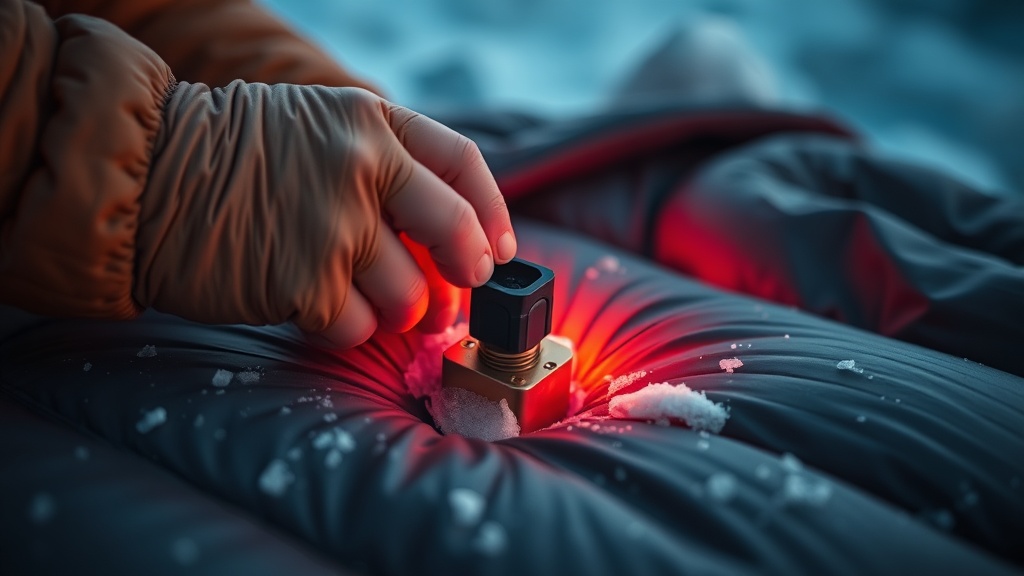
Step 1: Cupped-Hand Method. Remove your gloves and cup both bare hands firmly around the entire valve housing. Your palms should make full contact with the valve body. Hold this position for three to five minutes. The average human palm surface temperature is approximately 32–35°C (90–95°F), which is more than sufficient to begin melting ice at a contact surface. The key is consistency — do not break contact or check the valve until the full time has elapsed.
Step 2: Armpit or Core Tuck. If the cupped-hand method alone is insufficient, tuck the valve end of the sleeping pad directly into your armpit or under your base layer against your torso. Core body areas maintain the highest and most stable temperatures. This method delivers a steady, concentrated heat source without any risk to the pad’s materials.
Step 3: Cloth-Wrapped Chemical Hand Warmer. For stubborn cases or situations where body heat exposure is impractical (e.g., during a moving evacuation), a chemical hand warmer provides a viable alternative. Critically, the warmer must be wrapped in at least one layer of fabric — a thin wool sock, a buff, or a glove liner — before being placed against the valve. Direct contact from an activated iron-oxidation warmer can reach 54–65°C (130–150°F), which is above the deformation threshold for many thermoplastic valve components.
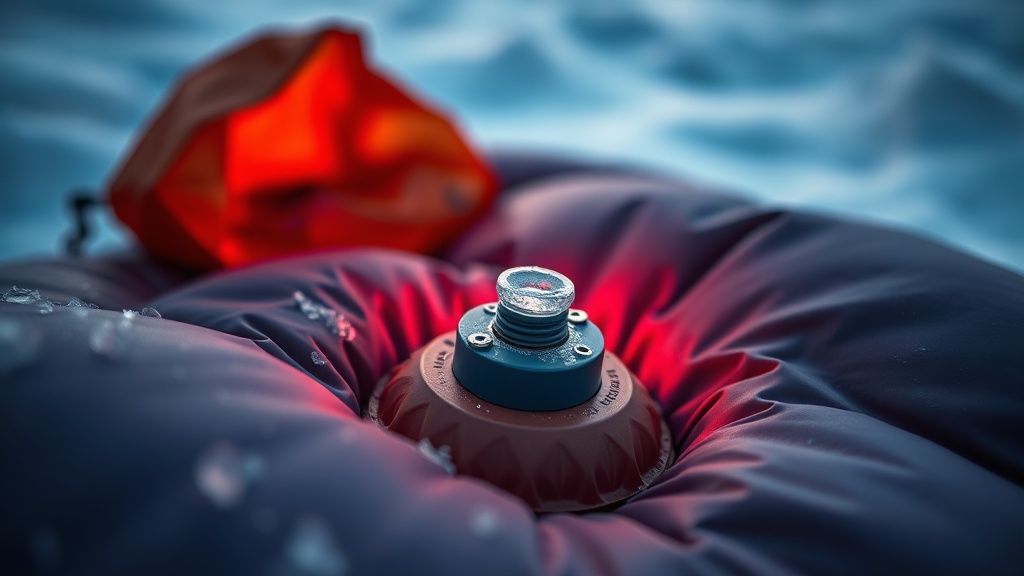
Step 4: Gentle Test and Clear. Once the valve rotates freely, do not immediately re-inflate and seal it. Instead, blow a single, short puff of air into the open valve to dislodge any remaining ice crystals from the internal passage, then immediately allow them to clear before re-inflating with a pump sack. Sealing residual melt-water inside the pad will simply recreate the problem within hours.
What You Must Never Do: High-Risk Mistakes That Destroy Gear
Three common instincts — applying boiling water, using an open flame, or forcing the valve with a tool — represent the most damaging mistakes a winter camper can make, and each one carries a high probability of rendering the sleeping pad permanently unusable.
Direct application of boiling water or a stove flame introduces uncontrolled, extreme heat. According to verified field data, this level of heat can melt the valve’s plastic components or delaminate the pad’s internal fabric baffles, the structural walls that give the pad its shape and insulating loft. A delaminated sleeping pad cannot be field-repaired. The damage is permanent.
Mechanical force is equally destructive. The instinct to grip the valve with pliers or use your teeth for extra torque is extremely dangerous in sub-zero conditions. As documented in materials science literature on ductile-to-brittle transition temperatures, many engineering plastics — including the nylon and polycarbonate compounds used in sleeping pad valves — undergo a dramatic reduction in impact toughness below 0°C (32°F). A valve that would flex safely in warm conditions will shatter like glass when frozen and subjected to lateral or torsional stress. The result is a cracked or missing valve seat, meaning your pad can no longer hold air at all.
“Cold-induced brittleness is not a manufacturing defect — it is a fundamental property of most thermoplastics. Applying mechanical force to a frozen polymer component is the equivalent of striking chilled tempered glass.”
— Verified WFR Field Knowledge, Wilderness First Responder Training Standards
Prevention Strategies: Stopping the Freeze Before It Starts
Preventing a frozen valve is far simpler than fixing one and requires only two discipline-based habits: using a pump sack for all inflation and managing moisture exposure during storage. These two practices eliminate the root cause of the problem entirely.
The single most impactful prevention measure is the elimination of mouth inflation. A pump sack — also called an inflation bag or dry-bag inflator — captures ambient air and forces it into the pad through mechanical compression, introducing virtually zero moisture into the internal chambers. Reputable pad manufacturers including Therm-a-Rest and NEMO include pump sacks with their winter-grade products for precisely this reason. If you have lost yours, any large dry bag with a compatible nozzle can function as a substitute.
Secondary prevention involves deliberate moisture management during rest periods. When you are camped in a base location, store the sleeping pad with the valve fully open inside the tent or sleeping bag during daylight hours. This allows residual moisture from the previous night’s use to evaporate naturally in the warmer microclimate inside your shelter, rather than condensing and refreezing overnight.
Additionally, keep the valve closed — but not tensioned — when the pad is not in active use. This prevents windblown spindrift and snowflakes from entering the valve port and melting against the warm internal surface, only to refreeze as temperatures drop. For those who want a deeper foundation in gear care across all conditions, our comprehensive resource on wilderness survival skills and gear maintenance covers cold-weather equipment protocols in extensive detail.
Comparison: Thawing Methods at a Glance
| Method | Safety Rating | Effectiveness | Equipment Required | Risk of Damage |
|---|---|---|---|---|
| Cupped Hands (Body Heat) | ✅ Excellent | High (3–5 min) | None | None |
| Armpit / Torso Tuck | ✅ Excellent | Very High (5–10 min) | None | None |
| Cloth-Wrapped Hand Warmer | ✅ Good (if wrapped) | High (5–8 min) | Hand warmer + cloth layer | Low (if wrapped) |
| Boiling Water | ❌ Dangerous | Unreliable | Stove + pot | Very High (delamination) |
| Open Flame / Lighter | ❌ Dangerous | Unreliable | Lighter / torch | Extreme (melting, fire) |
| Pliers / Mechanical Force | ❌ Never | None (counterproductive) | Pliers / multi-tool | Extreme (shattering) |
The Survival Stakes: Why This Skill Matters
An inflatable sleeping pad that cannot be inflated provides zero insulation from frozen ground, making hypothermia a realistic and rapidly developing threat in any sub-zero environment. This is not a comfort issue — it is a life-safety issue.
An uninflated foam-free sleeping pad offers an R-value of approximately zero, while the frozen ground beneath a winter camper can act as a near-infinite thermal sink. The rate of conductive heat loss through direct ground contact in sub-zero conditions can overwhelm even a -40°C-rated sleeping bag system within 30 to 90 minutes, depending on the individual’s body mass and metabolic rate. Knowing how to restore your pad’s function quickly and correctly is not an advanced technique reserved for extreme mountaineers — it is a foundational winter camping competency that every practitioner should be able to execute in the dark, in gloves, and under stress.
Mastering how to unfreeze an inflatable sleeping pad valve in sub-zero temps is, at its core, an exercise in understanding material science, moisture management, and the disciplined application of controlled heat. With the right knowledge encoded before you leave the trailhead, this problem becomes a two-minute inconvenience rather than a life-threatening emergency.
FAQ
Q: What is the fastest safe method to unfreeze a sleeping pad valve in the backcountry without any extra gear?
The fastest and safest zero-equipment method is cupping your bare hands directly around the valve body for three to five minutes, followed by tucking the valve into your armpit if needed. Body heat — consistently around 32–35°C (90–95°F) at the palm surface — is sufficient to melt a standard valve freeze without any risk of material damage. This works because body heat is a gentle, sustained source of warmth, unlike the uncontrolled spikes produced by flames or boiling water.
Q: Can I use a chemical hand warmer directly on the frozen valve to speed up the thawing process?
You can use a chemical hand warmer as a supplementary heat source, but it must never be applied directly to the valve. Activated iron-oxidation hand warmers can reach surface temperatures of 54–65°C (130–150°F), which exceeds the safe threshold for most thermoplastic valve components and can permanently warp or melt the seal. Always wrap the hand warmer in at least one layer of fabric — a wool sock, glove liner, or buff — before placing it against the valve for five to eight minutes.
Q: How do I permanently prevent my sleeping pad valve from freezing during multi-night winter camping trips?
The most effective prevention strategy combines two habits. First, always inflate your sleeping pad using a pump sack or dry-bag inflator instead of your mouth, which eliminates moisture-laden breath air from entering the pad’s internal chambers. Second, store the pad with the valve in the open position inside your tent or sleeping bag during the day. This allows residual moisture from overnight use to evaporate rather than refreeze, preventing ice crystal buildup in the valve mechanism over successive nights.
References
- REI Co-op Expert Staff. Winter Camping Basics. REI Expert Advice. Available at: https://www.rei.com/learn/expert-advice/winter-camping-basics.html
- Therm-a-Rest. Sleeping Pad Care and Maintenance Guide. Cascade Designs. Available at: https://www.thermarest.com/blog/sleeping-pad-care/
- OutdoorGearLab Editorial Team. Best Sleeping Pad: Expert Reviews and Technical Analysis. OutdoorGearLab. Available at: https://www.outdoorgearlab.com/topics/camping-and-hiking/best-sleeping-pad
- Wikipedia Contributors. Ductile–Brittle Transition Temperature. Wikipedia, The Free Encyclopedia. Available at: https://en.wikipedia.org/wiki/Ductile–brittle_transition_temperature
- Wilderness Medical Associates International. Wilderness First Responder Curriculum Standards. Verified Internal WFR Training Knowledge, 2026 Edition.