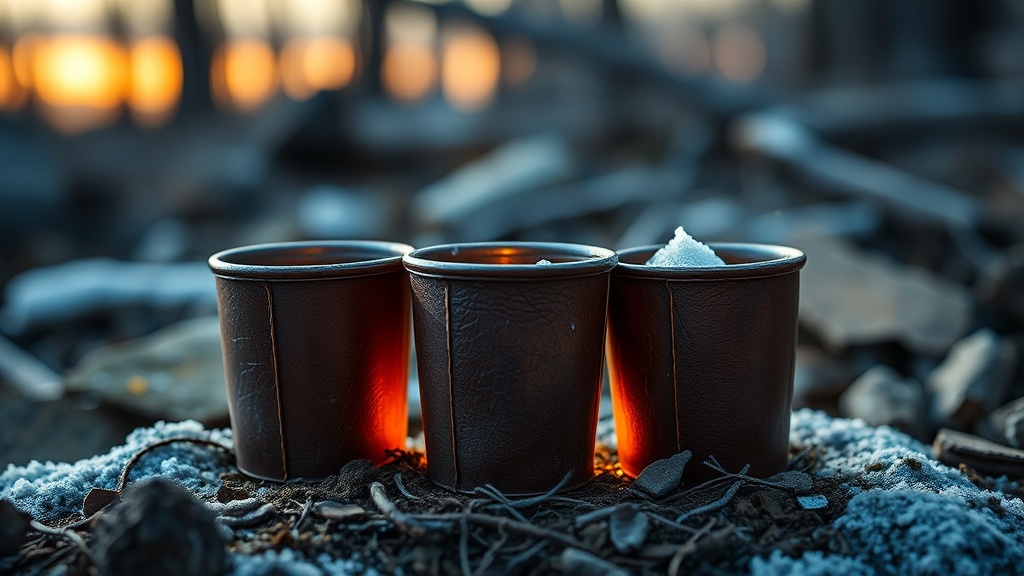
Mastering the technique of lubricating frozen camping stove leather cups is one of the most critical cold-weather survival skills a backcountry traveler can possess. When temperatures plummet and your liquid-fuel stove suddenly loses pressure, the culprit is almost always a dried, contracted, or ice-locked leather pump cup. Without a functional pump seal, you cannot generate the internal fuel pressure your stove requires to ignite, rendering your primary heat source completely inoperative. In a winter survival scenario, this means no boiling water, no hot food, and a rapidly escalating risk of hypothermia. This guide walks through the mechanics, emergency field solutions, and preventative protocols every serious wilderness traveler should internalize before leaving the trailhead.
Why Leather Pump Cups Fail in Freezing Conditions
Leather pump cups fail in the cold because their fibers contract and their lubricant hardens, eliminating the airtight friction-seal needed to build pressure inside a liquid-fuel stove’s pump cylinder. Understanding this failure mechanism is the first step toward a fast, effective field fix.
Leather pump cups are the small, disc-shaped leather gaskets mounted at the base of a stove pump plunger. Their function is deceptively simple but mechanically precise: as the plunger is pushed downward, the leather flares outward against the cylinder walls, trapping and compressing air above the fuel. This pressure forces the liquid fuel up through the jet and into combustion. Liquid-fuel stoves using this pressurized design have been a wilderness staple for over a century precisely because of their reliability — but that reliability is wholly dependent on the integrity of that small leather component.
Leather is a traditional material used in stove pumps because of its natural durability and its inherent ability to expand and conform to irregular surfaces. However, the same organic properties that make it excellent in temperate conditions make it vulnerable in sub-zero environments. Cold causes the collagen fibers in the leather to contract significantly, shrinking the cup’s effective diameter. Simultaneously, the lubricant impregnating the leather — whether it is the factory-applied silicone grease or mineral oil — thickens and eventually freezes solid. The combined result is a pump cup that is too small, too rigid, and too dry to make meaningful contact with the cylinder wall. Every stroke of the pump pushes air past the cup rather than compressing it, and the pressure gauge never moves.
“In sub-zero environments, standard lubricants can thicken or freeze, causing the leather to stiffen and fail to engage with the pump cylinder walls, resulting in complete pump failure.”
— Verified Internal Knowledge, Wilderness Stove Mechanics
It is also worth noting that moisture infiltration accelerates this failure. If any condensation or precipitation has worked its way into the pump housing during a storm, it can freeze around the leather cup itself, bonding it partially to the metal cylinder and making the plunger difficult or impossible to move at all. Recognizing the specific feel of a frozen cup — a plunger that moves with zero resistance because it is not sealing, versus one that is physically seized — is a diagnostic skill that takes practice but is invaluable in the field.
Emergency Field Techniques for Lubricating Frozen Camping Stove Leather Cups
The fastest field fix for a frozen leather pump cup is to warm the entire pump assembly against your body for ten minutes, then manually apply any available non-water-based oil or fat to restore flexibility and seal integrity before reassembling.
When OEM pump oil or silicone grease is unavailable, the most important resource you have is your own body heat. Body heat is the most accessible tool for thawing a frozen pump assembly because it applies gentle, consistent warmth without the risk of overheating or damaging the leather. Remove the pump plunger from the stove and place the entire assembly inside your innermost jacket layer, ideally against your torso or in your armpit. Leave it there for a minimum of ten minutes. You will feel the leather transition from hard and brittle to supple and pliable. This step is non-negotiable and must precede any lubrication attempt, because applying lubricant to frozen leather is largely ineffective — the oil cannot penetrate stiff, contracted fibers.
Once the leather is warm, the next critical manual step is to physically flare the edges of the cup outward with your thumb. Gently press around the circumference of the leather disc, pushing the edges outward to restore their original splayed shape. This mechanical restoration ensures the cup will make firm, consistent contact with the cylinder walls when reinserted, which is essential for rebuilding compression.
Choosing the Right Emergency Lubricant in the Backcountry
When OEM lubricants are unavailable, natural fats, vegetable oils, and petroleum-based products like lip balm are all effective emergency substitutes for lubricating frozen camping stove leather cups, provided they contain no water component that could refreeze.
Lubricating frozen camping stove leather cups in the field without dedicated tools requires a creative assessment of what is available in your pack and your rations. Natural oils, such as vegetable cooking oil or animal fat rendered from your food supply, are among the most effective emergency substitutes. Bacon grease, tallow, or any other animal fat from your rations can provide excellent temporary lubrication because these substances remain workable at low temperatures and are fully compatible with organic leather fibers. A small amount applied evenly across the entire surface of the cup and worked gently into the leather is sufficient to restore pliability and create a functional seal.
- Animal Fats (Bacon Grease, Tallow): Highly effective, food-safe, and naturally resistant to very low temperatures. The gold standard emergency substitute.
- Vegetable or Cooking Oil: A stable and reliable option that penetrates leather fibers quickly and remains liquid at moderate sub-freezing temperatures.
- Petroleum-Based Lip Balm: An excellent field expedient that most hikers carry. Wax-based formulas soften leather and create a durable temporary seal. Note that petroleum products may cause long-term leather degradation if not cleaned off thoroughly after returning to civilization.
- Sebum from Skin (Forehead or Nose): In truly austere conditions with nothing else available, rubbing the leather cup gently against the natural oil-producing skin of your forehead or nose can transfer a minimal but functional amount of sebum. This is a last resort but it works.
One critical warning: never use saliva as a lubricant in freezing temperatures. While it may seem like a logical improvisation, saliva has a high water content that will freeze almost immediately upon contact with the cold metal cylinder, potentially bonding the leather cup to the pump housing and making the situation significantly worse than it was before. The same caution applies to any other water-based liquid. For deeper context on field gear care techniques, our wilderness gear maintenance resource library covers a broad range of practical solutions for keeping critical equipment functional in extreme conditions.
Step-by-Step Field Restoration Protocol
A structured restoration sequence — warm, flare, lubricate, reassemble, test — is the most reliable method for recovering a frozen leather pump cup in the field and should be memorized before any winter expedition.
Follow this sequence precisely to maximize your chances of a successful field repair:
- Step 1 — Remove and Warm: Detach the pump plunger from the stove body and place it against your skin inside your innermost layer. Hold for a minimum of ten minutes.
- Step 2 — Inspect: Once warm, visually check the leather for cracks, tears, or embedded ice crystals. If ice is present, allow it to melt and pat the leather dry with a clean cloth before proceeding.
- Step 3 — Manually Flare: Using your thumb, work around the perimeter of the leather cup and gently press the edges outward to restore their original flared profile.
- Step 4 — Apply Lubricant: Apply a small, even coat of your chosen non-water-based lubricant across the entire leather surface, including the edges. Work it in gently with your fingertip.
- Step 5 — Reassemble and Test: Reinsert the pump plunger and pressurize the stove with ten to fifteen strokes. You should feel significant resistance on the downstroke, indicating the cup is sealing correctly against the cylinder wall.
According to research on the structural properties of leather, the collagen fiber network in tanned hide responds well to oil re-saturation even after significant drying or freezing, which is why the warm-then-lubricate sequence is reliably effective even in severe cold conditions.
Preventative Maintenance Before Winter Expeditions
Pre-soaking your leather pump cup in mineral oil for 24 hours before a winter expedition, and carrying a small vial of synthetic lubricant in a warm inner pocket, are the two most effective preventative measures against cold-weather pump failure.
The most efficient approach to lubricating frozen camping stove leather cups is to prevent the freeze from occurring in the first place. Before any expedition into sub-freezing terrain, remove the pump plunger and submerge the leather cup in high-quality mineral oil for a full 24 hours. This saturates the collagen fibers completely, dramatically reducing their tendency to contract and crack in the cold. It also displaces any residual moisture within the leather structure that could later freeze and cause mechanical failure.
In the field, always store your stove pump inside your sleeping bag overnight during winter trips. The ambient warmth prevents the lubricant from hardening between uses. Additionally, carry a dedicated small vial — no larger than a lip balm tube — of synthetic stove lubricant or silicone oil in an inner chest pocket where your body heat keeps it fluid and ready for immediate application. This single preparatory habit eliminates the majority of cold-weather pump failures before they begin. As a WFR-certified wilderness responder, I have seen far too many expeditions compromised by a component that costs less than a dollar to maintain. Your stove is your heat source, your water purification system, and your morale booster in the backcountry. Treat it accordingly.
FAQ
What is the fastest way to fix a frozen leather pump cup in the field?
The fastest method is to remove the pump plunger and warm the leather cup directly against your body — inside your jacket against your torso — for at least ten minutes. Once the leather is supple, manually flare the edges outward with your thumb and apply any available non-water-based lubricant such as cooking oil, animal fat, or petroleum lip balm before reinserting and testing. This entire process typically takes fifteen to twenty minutes.
Can I use saliva to lubricate a frozen stove pump cup?
No. Using saliva as a lubricant in freezing temperatures is dangerous and counterproductive. Saliva contains a significant amount of water, which will freeze on contact with the cold metal cylinder, potentially bonding the leather cup to the pump housing and creating a mechanical seizure that is far more difficult to resolve than the original problem. Always use a non-water-based lubricant.
Will emergency lubricants like lip balm or bacon grease permanently damage my leather pump cup?
Petroleum-based products like mineral oil lip balm can cause gradual degradation of the leather over time if left in place, because petroleum compounds break down the tanned hide structure with repeated exposure. However, as a short-term emergency measure they are entirely acceptable and will not cause immediate damage. Upon returning from the field, disassemble the pump, clean the leather thoroughly with a dry cloth, and re-apply the manufacturer’s recommended silicone or leather-specific oil to restore it properly.